Infrastructure as Code: A Safer Path from Laptop to Cloud
Infrastructure as code turns a cloud environment from a sequence of remembered console clicks into a reviewable description. That improves repeatability, but the code is still capable of changing or destroying real resources. A safer path from laptop to cloud therefore.
By Administrator
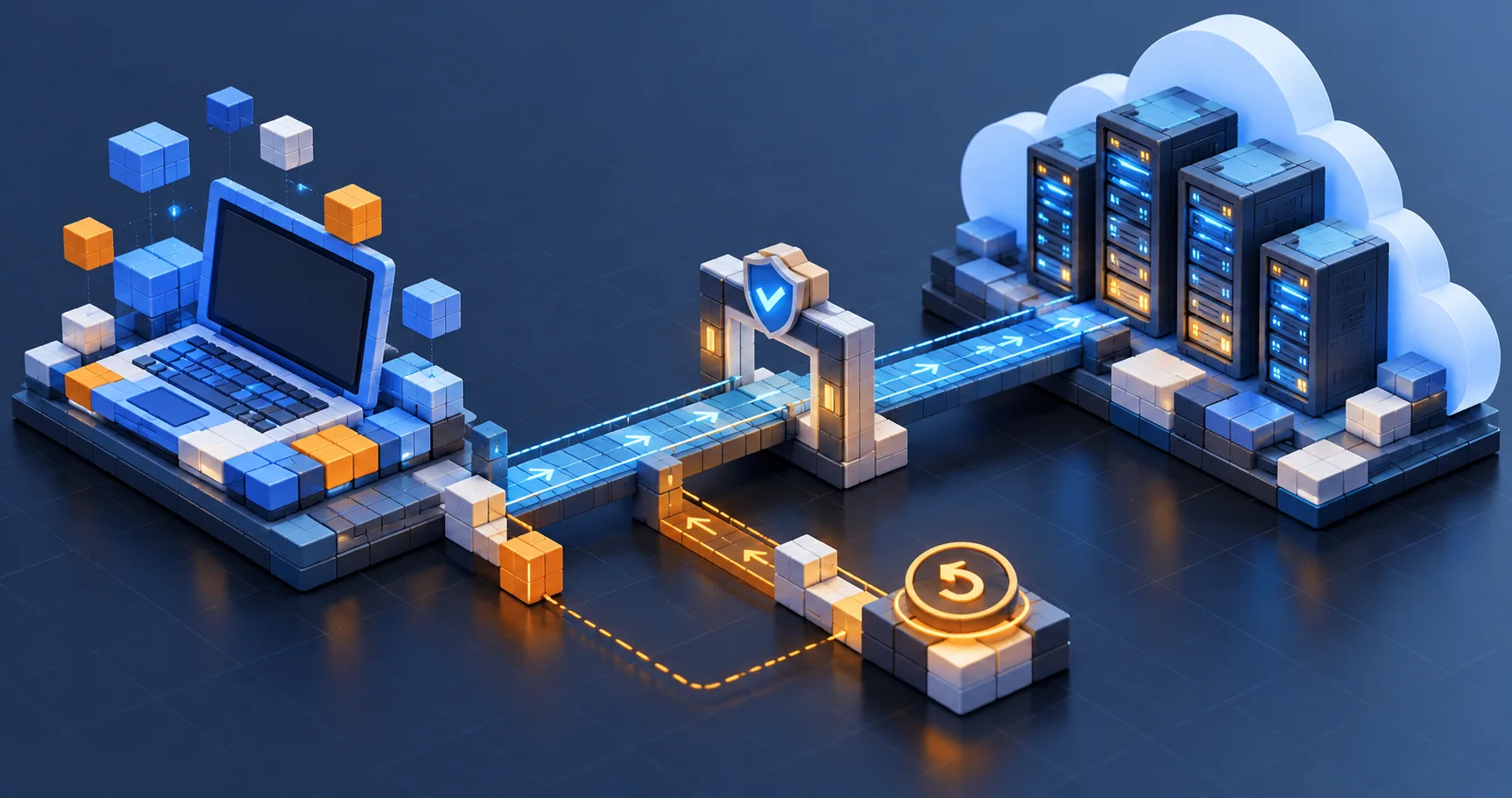
Infrastructure as code turns a cloud environment from a sequence of remembered console clicks into a reviewable description. That improves repeatability, but the code is still capable of changing or destroying real resources. A safer path from laptop to cloud therefore includes small scope, protected state, a reviewed plan, and a recovery procedure. The goal is to make intended changes explicit and unexpected changes visible before anyone applies them.
Choose a narrow first resource
Begin with a noncritical environment and one resource whose lifecycle is understood. Write down its owner, region, network exposure, cost implications, and deletion consequences. Create a separate account or project boundary if available, rather than testing in the same scope as production. Keep provider credentials out of the repository and use the organization's approved identity method. A local experiment can teach syntax, but it does not prove that the same configuration is safe in a different account.
Decide what belongs in code. Resource settings and relationships are good candidates. Secrets and volatile runtime data need separate treatment. Version the configuration and pin provider or module versions according to the project's change policy. A dependency update may alter the plan even when the resource files do not change. Review the lock file and planned changes together.
Treat state as operational data
Terraform and similar tools use state to connect declared resources to remote objects. State can contain sensitive values and identifiers, so it needs controlled storage, access, backup, and locking. Do not casually email a state file, commit it, or edit it by hand. Decide how a team will recover if a laptop is lost or two operators attempt a change. Use a backend suitable for the environment and test its access boundaries with a limited account.
HashiCorp's state documentation explains how Terraform maps configuration to real infrastructure and why state is important. Its exact backend features vary, so confirm the chosen backend's locking and recovery behavior before relying on it.
State management is not the same as disaster recovery. A copy of state may help reconstruct tool knowledge, but it does not restore deleted customer data. Plan separate backups and recovery tests for databases and storage. Also consider drift: a console change can make remote infrastructure differ from code. Detect it through a plan and investigate its origin before overwriting it. The console change may be an emergency fix that needs to be incorporated, or it may be an unauthorized deviation.
Make the plan a review artifact
Run format and validation checks, then create a plan using the intended workspace, variables, credentials, and provider versions. Read the full proposed actions, especially replacements and deletions. A short plan summary is insufficient for a consequential environment. Review changed tags, regions, network rules, encryption, and resource names. If the plan includes an action you cannot explain, stop. Do not approve it merely because the configuration diff looks small.
HashiCorp's plan command reference describes how Terraform compares configuration with the current state and remote objects to propose actions. A plan is a preview under the conditions when it was generated, not a guarantee that all external conditions will stay fixed.
For a team workflow, attach the plan to a code review and identify who is allowed to apply it. Where saved plans are used, treat the artifact as sensitive and ensure it corresponds to the reviewed revision. Recheck before application if state or configuration changed. Keep apply permissions narrower than read permissions. Set an explicit maintenance window or rollback contact for changes that can affect users.
A hypothetical network-rule change
Suppose a hypothetical development environment has an application server that should accept traffic only from an internal load balancer. A contributor changes one security-group rule in code. The plan unexpectedly proposes replacing the entire server as well. The team does not apply it. They inspect the provider documentation and state, discover that an unrelated immutable field also changed, and split that migration into a separate reviewed change. The network rule can then be evaluated on its own terms.
This example is hypothetical and does not claim a particular provider will replace a server for every field. The lesson is that the plan, not the apparent size of a source-code diff, defines the operational change to review. A second reviewer should be able to explain the same proposed actions and the recovery path before apply.
- Define scope, owner, and recovery expectations.
- Write and version a small configuration change.
- Validate and generate a plan in the target environment.
- Review every action and approve the exact revision.
- Apply, verify the resource, and record drift or follow-up.
Verify after application
An apply command's successful exit is only one signal. Inspect the remote resource and the application behavior it supports. Check that network exposure, access controls, and cost-relevant settings match the intent. Save the change record and note any manual action taken during the window. If a change is wrong, use the documented recovery path rather than assuming “run the old code” will reverse every resource action. Some data deletion and replacement effects cannot be undone by code alone.
Use this practical checklist before a first production change: confirm separate environments; least-privilege credentials; state storage and locking; backups for valuable data; versioned providers; readable plan review; approval for destructive actions; a change owner; and post-apply checks. Document who handles drift and emergencies. Infrastructure as code makes changes legible, but only the surrounding review and recovery practices make that legibility useful for safer operation.